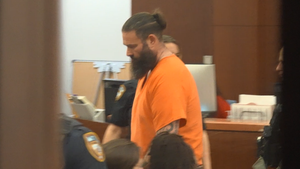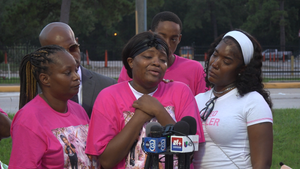


TEXAS – Dr. Matthews issued a public statement questioning the handling of a felony case prosecuted by District Attorney Daniel Esquivel, citing concerns over due process and prosecutorial conduct and has filed a bar complaint.
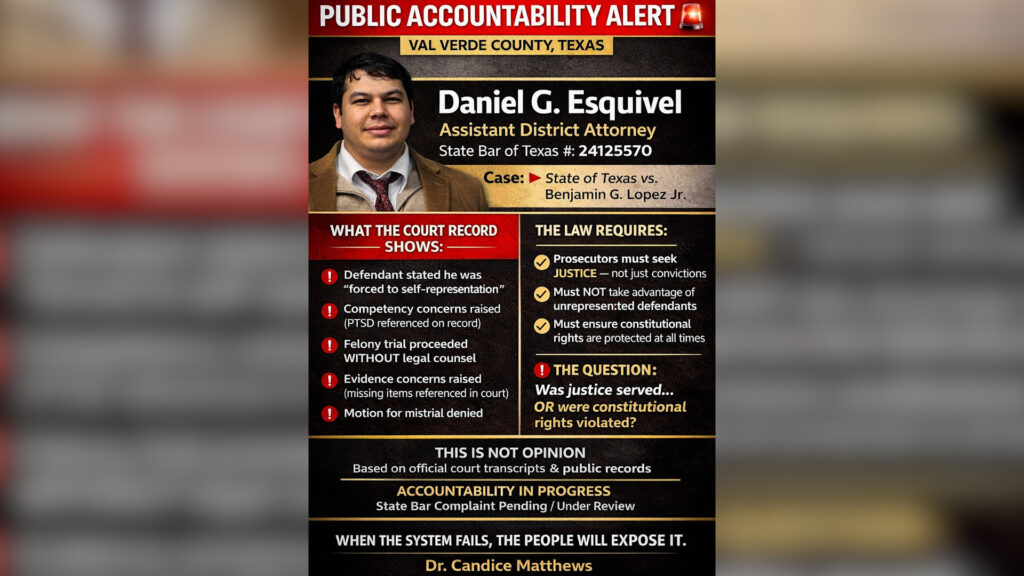
Dr. Candice Matthews, nationally renowned civil rights activist, advocate, and author, is calling for heightened scrutiny and accountability in the case of State of Texas vs. Benjamin G. Lopez Jr., citing serious constitutional concerns reflected in court records.
The statement references the case of State of Texas vs. Benjamin G. Lopez Jr., outlining that the defendant proceeded through trial without legal representation after what was described as being pushed into self-representation. It further cites a documented claim that the defendant was “forced to self-representation.”
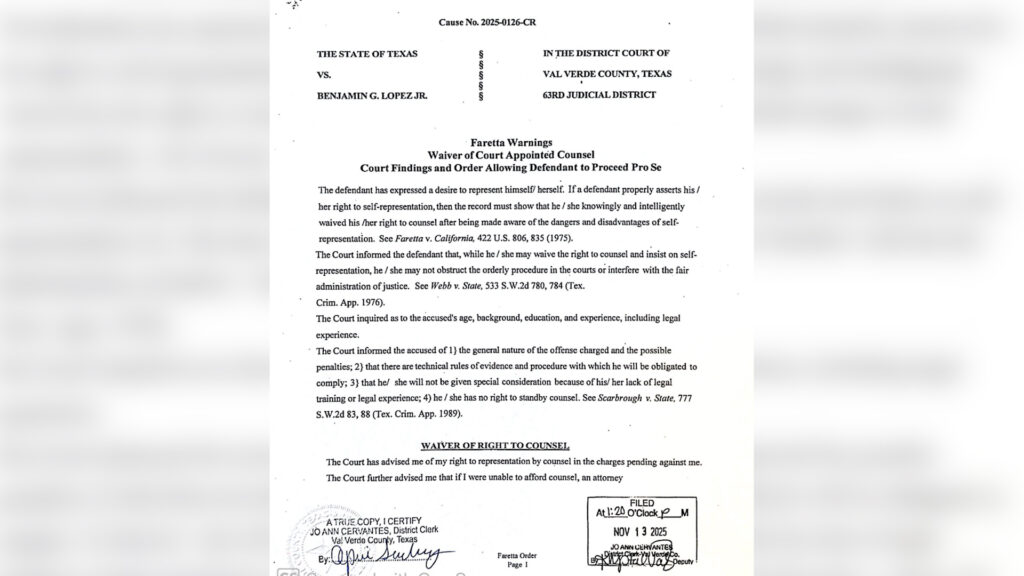
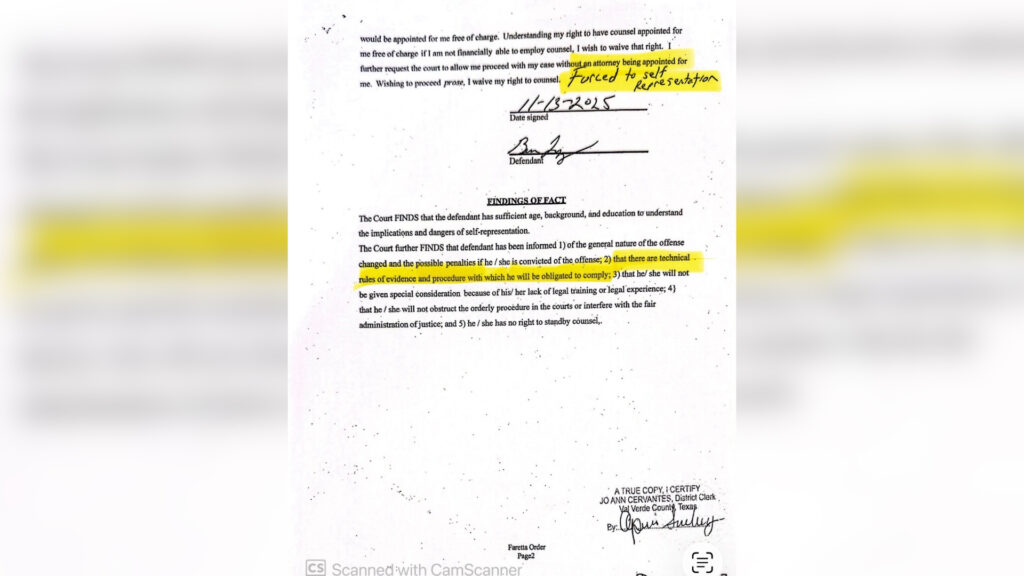
According to publicly available transcripts and records, the case raises alarming issues, including the defendant being forced into self-representation, competency concerns noted on the record, and the continuation of a felony trial without legal counsel.
Dr. Matthews’ statement also points to competency concerns raised in court, including testimony referencing possible post-traumatic stress disorder, while noting the prosecution continued forward despite those issues.
Dr. Matthews’ statement also points to competency concerns raised in court, including testimony referencing possible post-traumatic stress disorder, while noting the prosecution continued forward despite those issues.
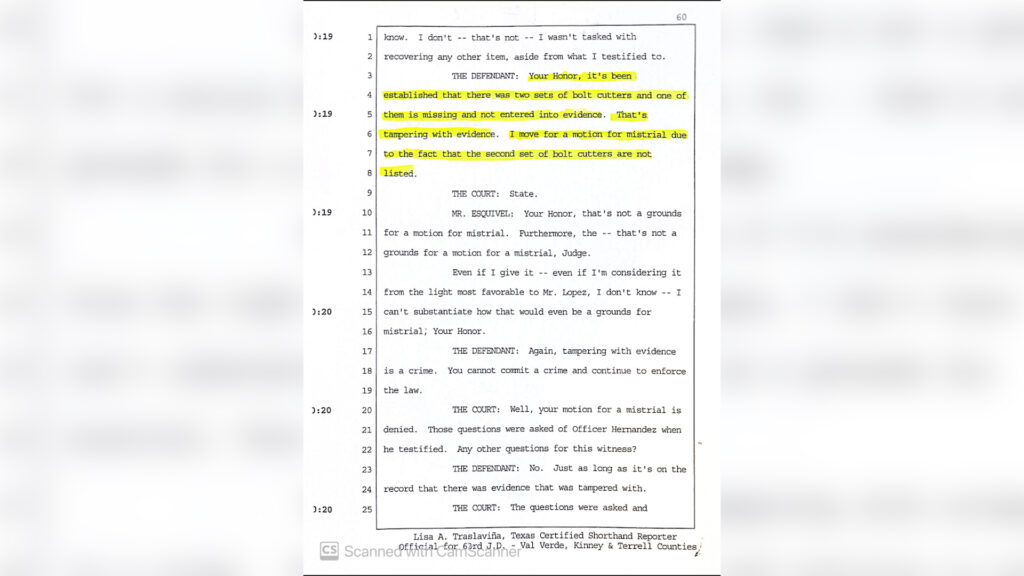
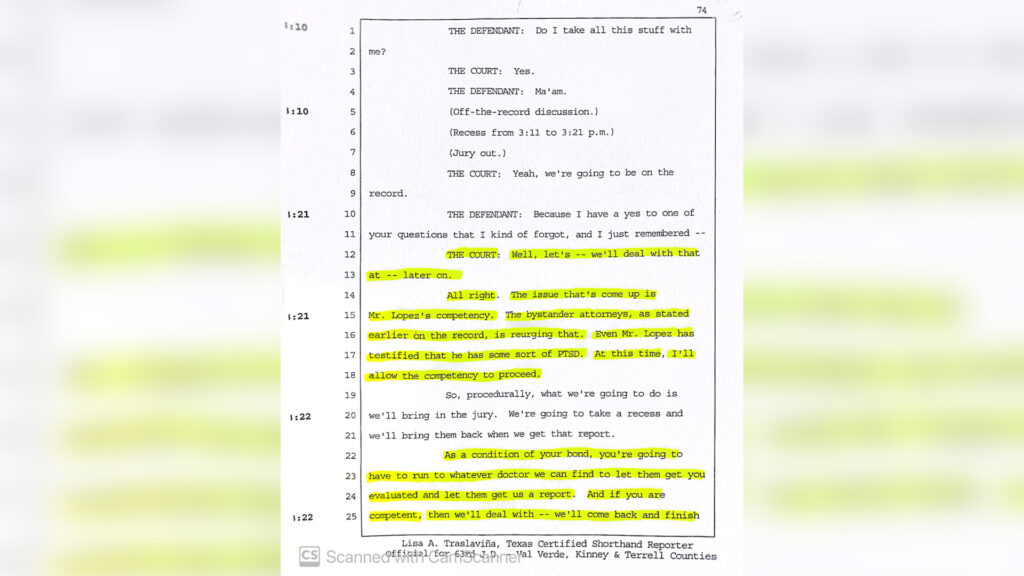
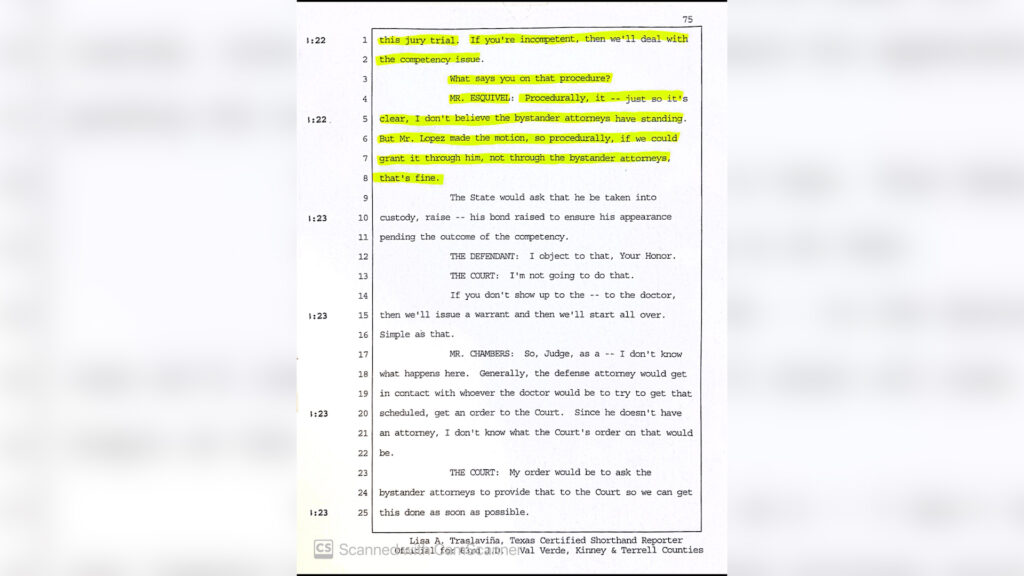
“When a man is forced to stand trial alone, without counsel, with competency concerns on record, this is no longer justice, this is a constitutional crisis. Prosecutors are sworn to seek justice, not exploit vulnerability. If the record shows otherwise, then accountability is not optional, it’s necessary. This case raises a chilling question, if constitutional rights can be ignored in open court, then who is truly protected by the system? You cannot call it justice when the system proceeds against an unrepresented defendant with known concerns and unanswered evidence issues, that’s a breakdown of duty at every level. When the system fails to protect rights, the people will expose it, and that exposure is already underway. This isn’t just one case, this is a warning sign of what happens when oversight fails and power goes unchecked,” Dr. Matthews said.
Dr. Matthews emphasized that prosecutors have a legal and ethical obligation to seek justice, not merely convictions, and must ensure that constitutional rights are protected throughout the judicial process.
“You cannot call it justice when the system proceeds against an unrepresented defendant under these conditions,” she added. “When that line is crossed, accountability is not optional, it’s required.”
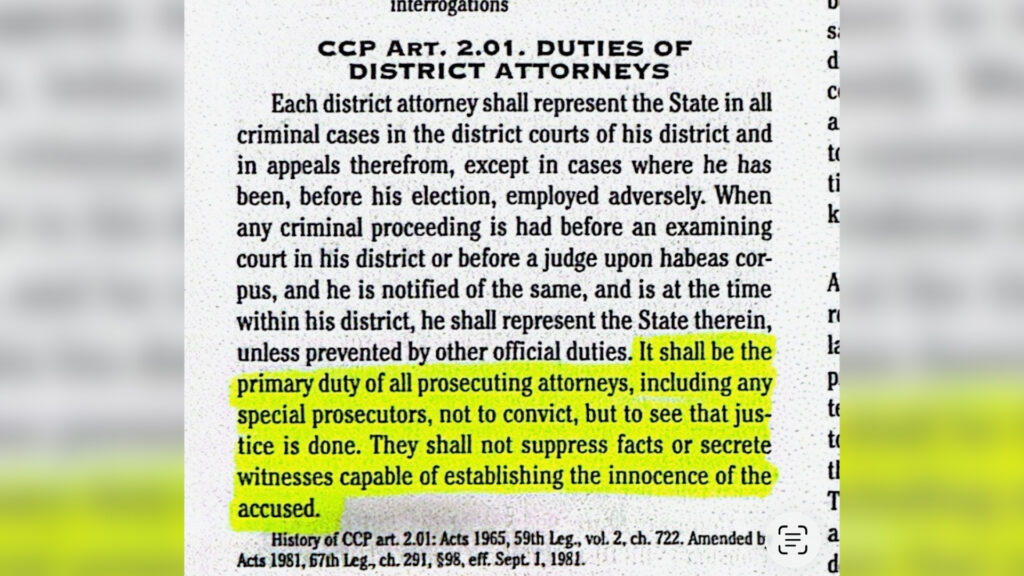
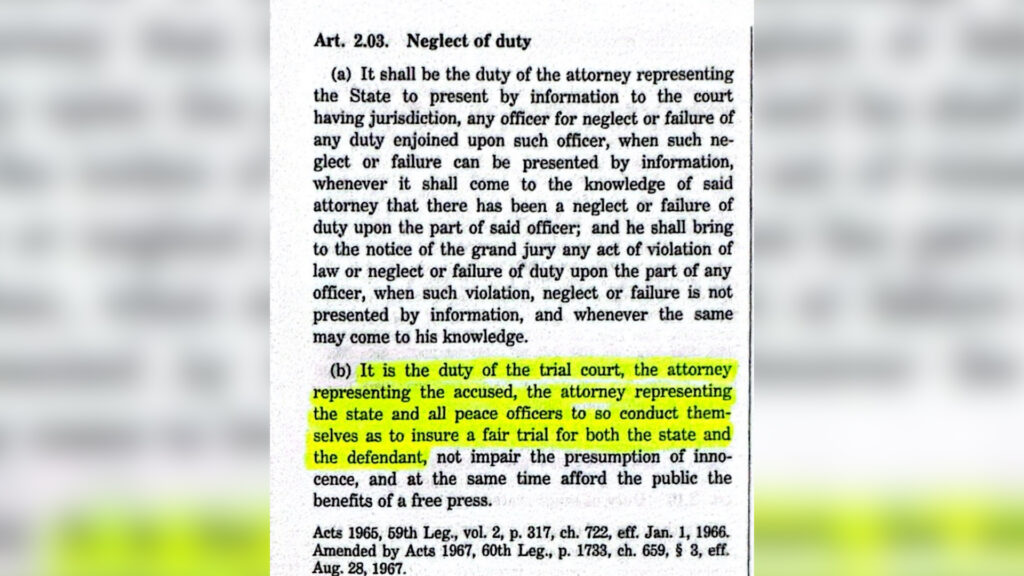
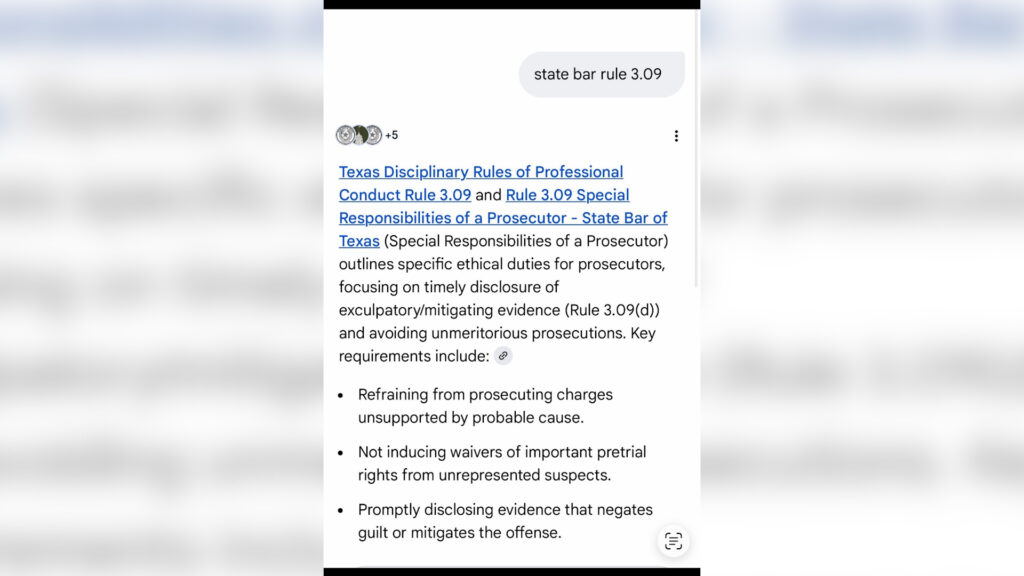
Her statement highlighted legal standards under Texas Code of Criminal Procedure Article 2.01, which requires prosecutors to seek justice rather than convictions, and Texas Disciplinary Rule 3.09, which outlines obligations regarding fair prosecution and treatment of unrepresented defendants.
A State Bar complaint related to the matter is currently pending and under review.
Dr. Matthews warns that this case represents a larger issue within the justice system.
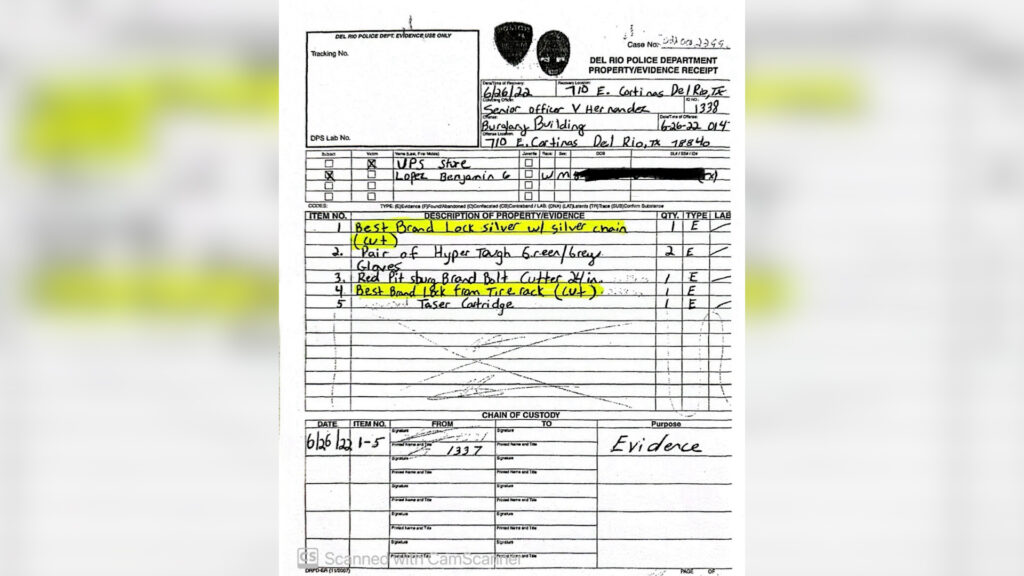
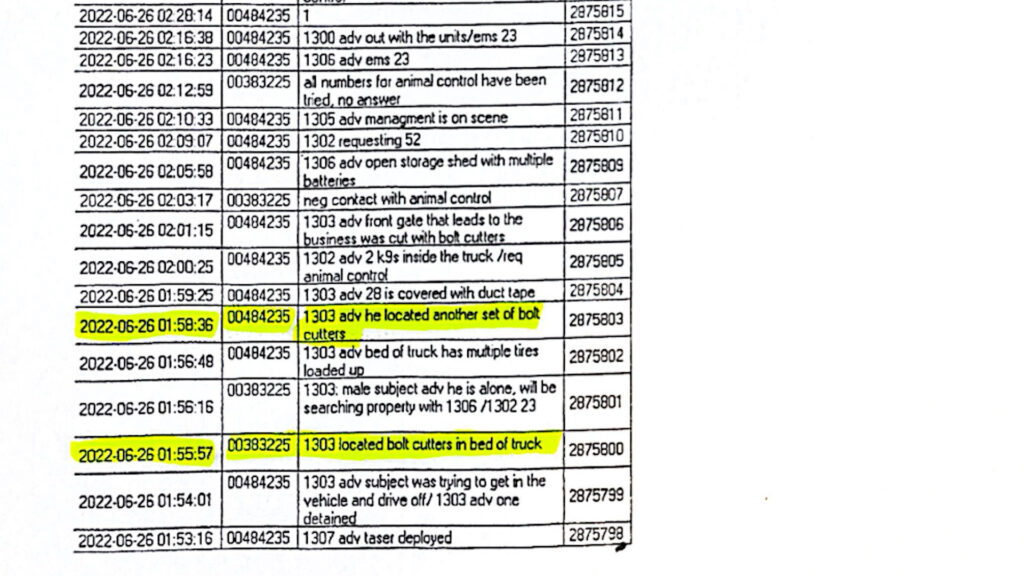
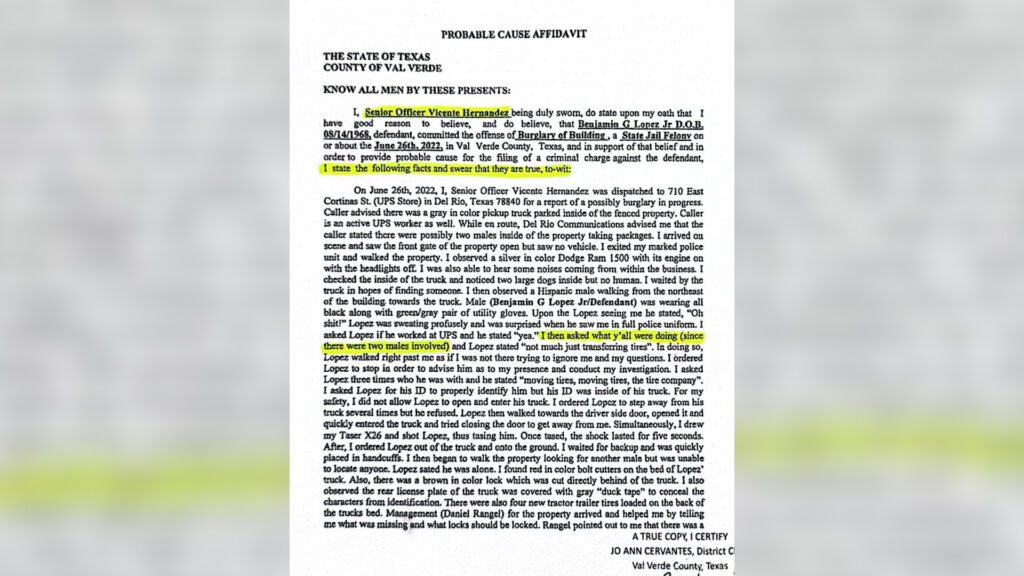
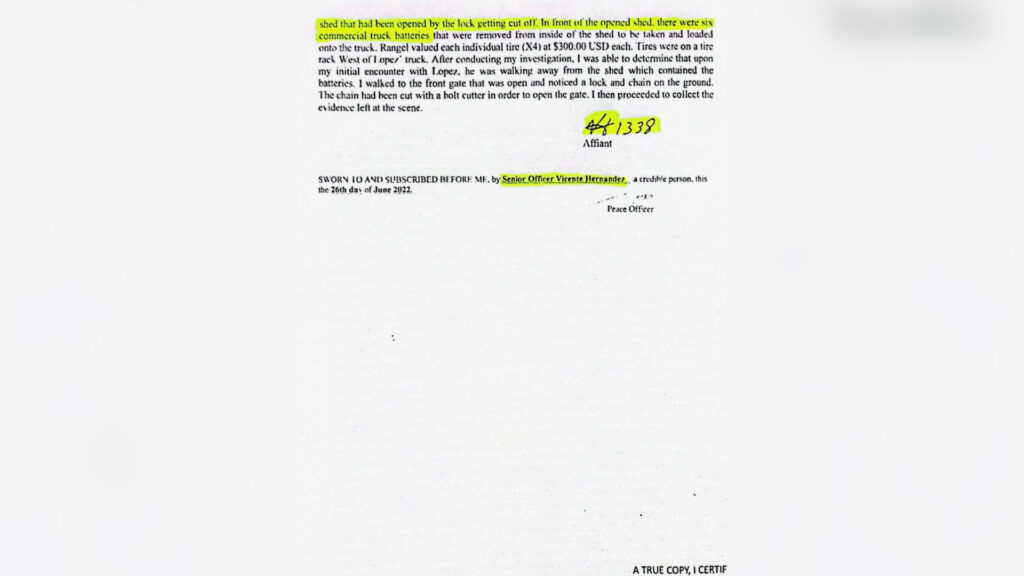
She questioned how the case proceeded given the reported lack of counsel, competency concerns, and alleged inconsistencies in evidence, and raises broader concerns about constitutional protections and accountability within the justice system.
“What’s happening here in Texas should concern the entire country, because if constitutional protections can be bypassed in one courtroom, they can be bypassed anywhere,” Dr. Matthews said.
“When the system fails, the people will expose it. Accountability is already in progress,” she added.